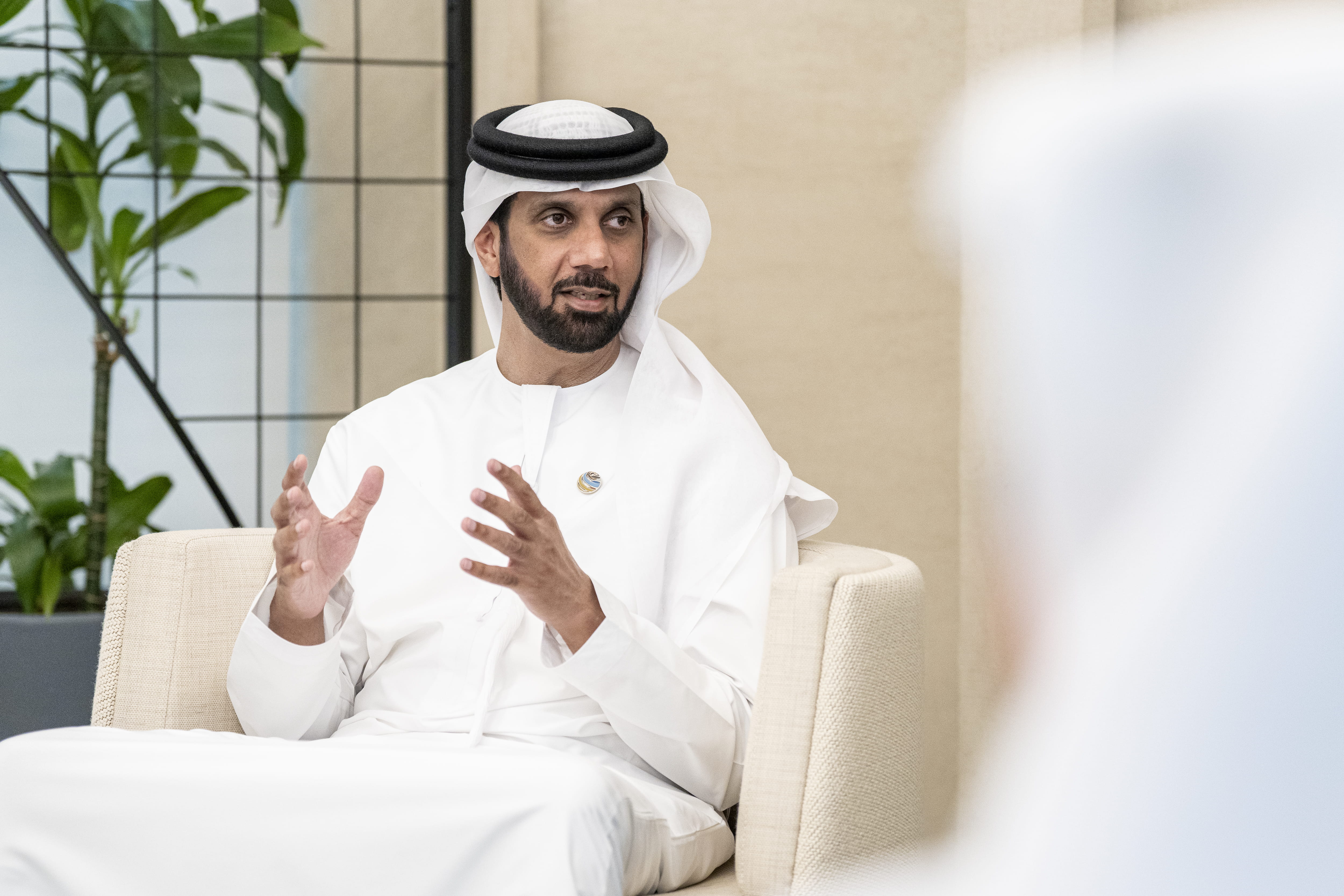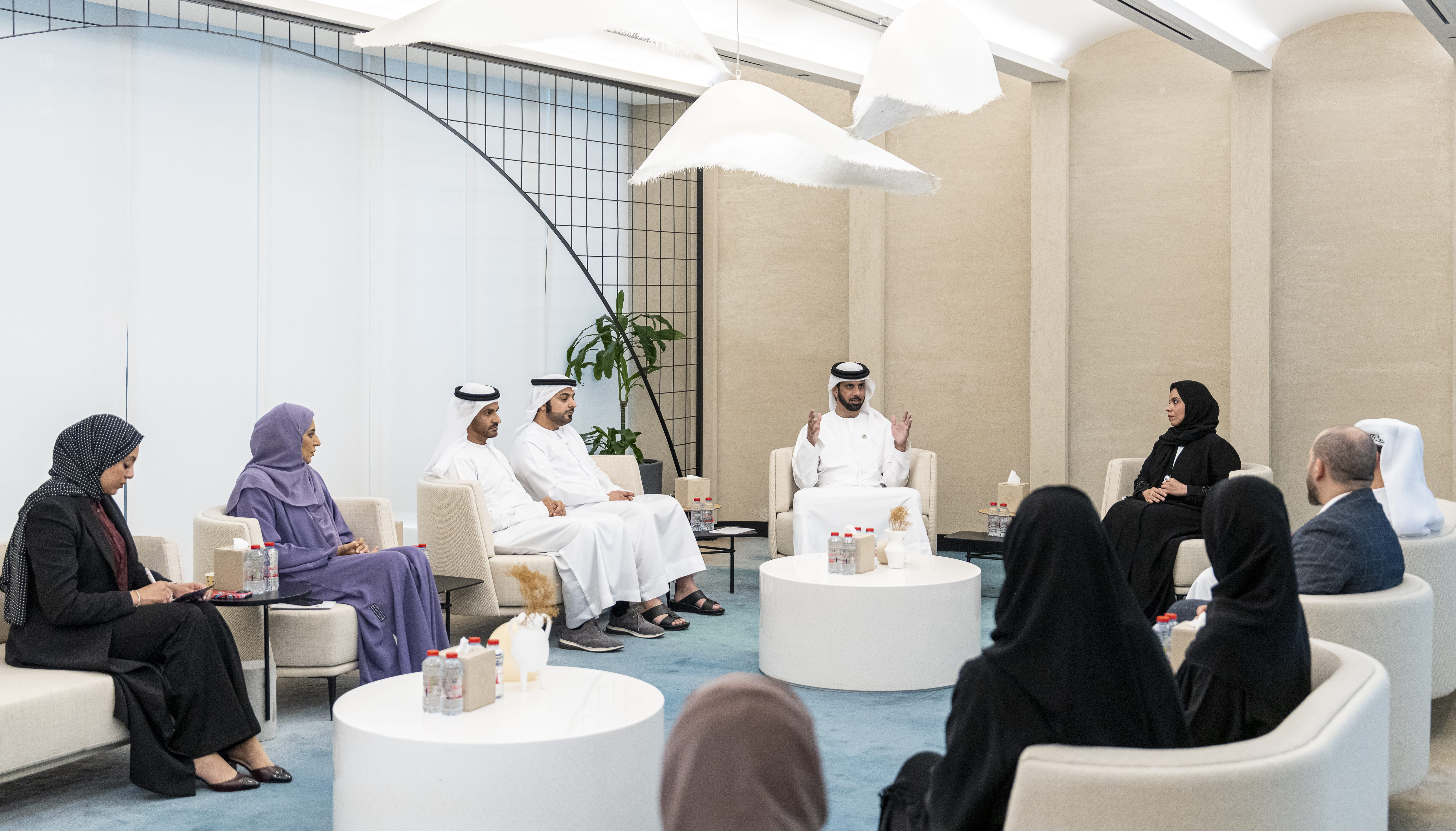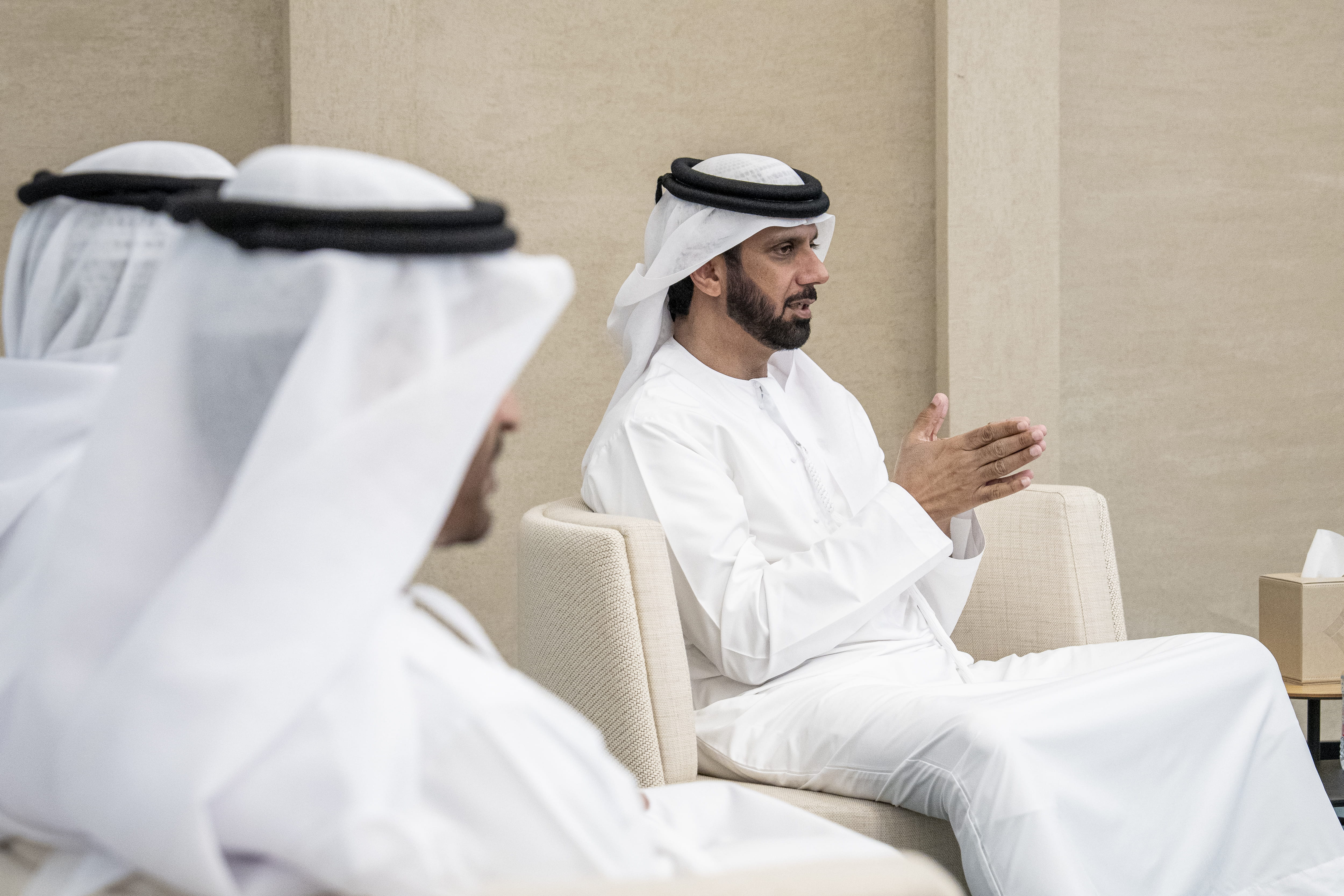


CEO of the Ports, Customs and Free Zone Corporation highlights the entity’s key role in facilitating trade flows through Dubai
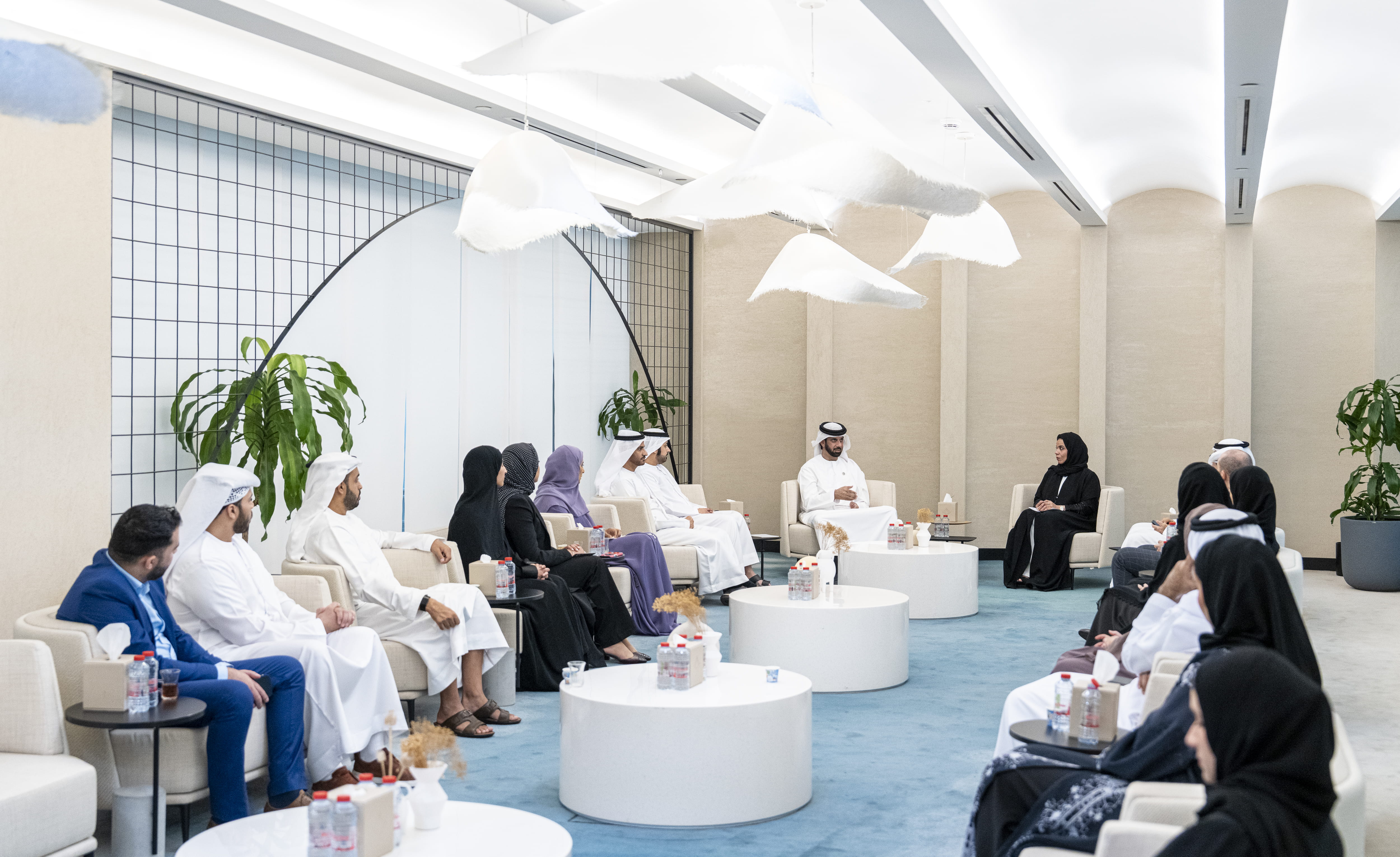
Underlining Dubai’s stature as a key driver of the interconnected global economy and the maritime sector, His Excellency Nasser Al Neyadi, CEO of the Ports, Customs and Free Zone Corporation (PCFC), announced an exceptional year for the organisation with its achievements going beyond sheer economic figures to redefine the emirate’s position on the global trade map. Inspired by the bold development vision of His Highness Sheikh Mohammed bin Rashid Al Maktoum, Vice President and Prime Minister of the UAE and Ruler of Dubai, His Excellency Al Neyadi noted that the PCFC’s commercial operations generated AED708 billion through 2024, reinforcing its role in facilitating trade flows through Dubai and as a financial and strategic pillar of the government budget while supporting Dubai’s global leadership in growth, sustainability, and competitiveness indicators.
His Excellency Al Neyadi was speaking during a ‘Meet the CEO’ session organised by the Government of Dubai Media Office that was attended by senior media figures and editors-in-chief of UAE newspapers. Tracing back the journey of Dubai’s customs and ports authorities to the establishment of the Furda Department on the shores of Dubai Creek in 1886, he recalled how that early institution marked the foundation of trade in the emirate, helping it evolve from modest resources and limited capabilities by virtue of its steadfast vision backed by unbounded determination. As one of the oldest public entities in the region, the Furda Department mirrored the start of Dubai’s transformation journey, propelling it into the vanguard of the world’s most important commercial and maritime hubs, he noted.
He added: “From 1886 until today, the Ports, Customs and Free Zone Corporation continues to embody Dubai’s ambition to be the fastest-growing, safest, and most globally connected city. With bold leadership and ongoing investment in AI, digital transformation, and sustainability, the PCFC is steadily advancing Dubai’s position as the world’s leading centre for the development of smart maritime ports and trade.”
Expansion plans
His Excellency Al Neyadi emphasised that the PCFC is now a central driver of Dubai’s economy not only through its supervision of JAFZA, the world’s largest free zone, but also as an integrated economic ecosystem that features more than 12,000 global and regional companies and supports more than half a million direct and indirect jobs. He noted that a new restructuring plan for the Jebel Ali Free Zone will open the door to major expansions built on modern infrastructure, significantly boosting the emirate’s ability to attract companies and reshaping Dubai’s investment landscape for the next 50 years. He added that the PCFC adheres to rigorous performance indicators, with every figure taken as a new challenge, stressing that “the real competition is with ourselves – the numbers we achieved previously – and the level of excellence, which we strive to raise year after year.”
He added: “PCFC currently manages operations in more than 146 ports worldwide spanning 76 countries, supported by a workforce of 155,000 employees, with its vessels and operations keeping up the momentum across multiple time zones.”
The PCFC’s portfolio includes Mina Rashid, Al Hamriya Port, and Jebel Ali Port; one of the world’s largest container ports, along with various local facilities that support the fisheries sector as well as commercial and recreational marine activities.
Major projects and initiatives
His Excellency Al Neyadi highlighted several major projects and initiatives launched in 2025 in support of the Dubai Economic Agenda D33, all of them aimed at enhancing Dubai’s competitive business environment and reinforcing its unique position as a key maritime gateway on the global map. Foremost among these is the ‘Dubai Ports Code,’ the first project of its kind worldwide that serves as a reference for developing port and marina infrastructure locally and globally.
The code will offer a comprehensive set of technical standards and requirements for developing and managing ports, marinas, and related marine activities, incorporating international best practices in maritime infrastructure.
On the technology front, he explained that the PCFC is implementing a broad digital strategy covering AI, digital transformation, cybersecurity, and cloud infrastructure. Among the key initiatives are ‘Port Eye,’ a monitoring system that uses drones and AI to inspect infrastructure and ensure safe maritime operations; ‘Marsa,’ a unified smart platform for managing and leasing marinas, significantly reducing paperwork and shortening service times; and ‘Digital 04,’ a national company providing digital solutions to transform global maritime trade and operational management.
He also pointed to the record surge in incoming foreign yachts during the first half of the year, at 149%, with 97 yachts arriving compared to 39 during the same period in 2024. He noted that this increase reflects rising international confidence in Dubai as a prime destination for luxury marine tourism, supported by its advanced infrastructure, world-class services, and iconic attractions that position the city among the top yachting destinations worldwide.
More on these topics
Most Recent News

Salik Reports FY 2025 Revenue of AED 3.10 Billion, Up 35.1% YoY

Mohammed bin Rashid honours winners of Most Beautiful Quran Recitation



 For an optimal experience please