


Business Group members say proactive government efforts have helped maintain efficient flow of goods despite global challenges
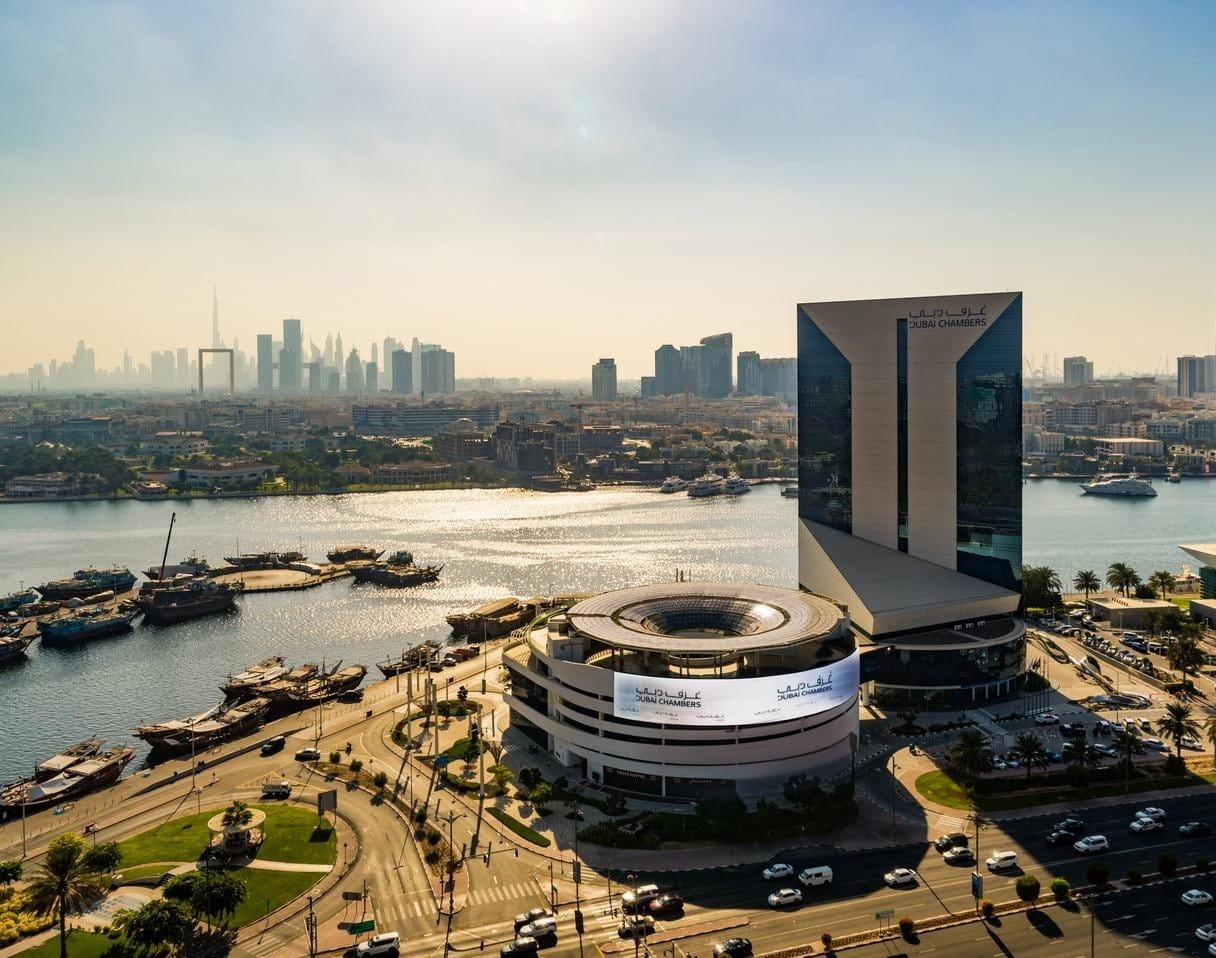
Members of the Fruit and Vegetable Traders Business Group, which operates under the umbrella of Dubai Chamber of Commerce, have affirmed that the strong availability and variety of food products in Dubai, including fresh and perishable goods, reflects the strength of the emirate’s competitive advantages. The most important enablers cited include robust infrastructure, the efficiency of Dubai’s logistics links with global markets, proactive government action, and close coordination between the public and private sectors. Together, these factors have helped meet consumer demand and maintain regular and stable supplies, despite the pressure that global developments have placed on international shipping.
The members noted that Dubai has strengthened the ability of key sectors, including the fruit and vegetable trade, to diversify sourcing channels, activate alternative shipping routes, and enhance transport and storage efficiency. They added that close coordination with all relevant stakeholders, particularly through the Business Groups operating under Dubai Chamber of Commerce, has helped to reduce operational challenges and support faster collaborative action to maintain the efficiency of the logistics ecosystem and the steady flow of goods across the local market.
Effective integration
Redha Al Mansouri, Chairman of the Fruit and Vegetable Traders Business Group and CEO of Fresh Fruits Company, said that Dubai’s ability to sustain the uninterrupted flow of fresh produce in the current environment reflects the strength and resilience of its economic model, which is supported by visionary leadership, world-class infrastructure, and effective public-private collaboration.
Al Mansouri noted that the UAE’s network of ports and strategic logistics hubs has provided flexible and reliable alternatives amid disruption affecting some maritime routes. This agility has efficiently ensured the continuity of supply, while Dubai’s advanced cold chain ecosystem and integrated warehousing capabilities have continued to support the handling and distribution of perishable goods.
He added: “Under the guidance of the UAE leadership, Dubai Customs, DP World, and other port and logistics stakeholders implemented timely facilitation measures that enabled smooth cargo movement through alternative corridors into Jebel Ali and the free zones.”
Al Mansouri explained that the fruit and vegetable trade community has demonstrated a high level of resilience, benefiting from diversified global sourcing and extensive experience in managing supply chain disruptions. This has enabled traders to adapt quickly and maintain market stability. He added that ongoing coordination between the public and private sectors, particularly through the Business Groups under Dubai Chamber of Commerce, has played an important role in addressing challenges in a practical and timely manner, reinforcing Dubai’s position as a trusted global hub for the trade of fresh produce.
The Chairman of the Fruit and Vegetable Traders Business Group noted that current supply levels remain stable, with the sector demonstrating a strong capacity to meet local demand without interruption. This is supported by a strategy focused on diversifying import sources and reducing dependence on specific markets.
He added: “In the near term, while global logistics conditions remain dynamic, the sector has effectively adapted through flexible routing, alternative entry points, and close coordination with logistics partners. These measures have ensured that the availability of fresh produce in the local market remains consistent in terms of volume, quality, and price stability. Looking ahead, the outlook remains positive. The sector is well-positioned to respond to seasonal demand fluctuations and evolving market conditions, supported by strong infrastructure, efficient supply chain management, and continued facilitation from government authorities. Additionally, the depth of experience within the trading community enables proactive planning and rapid responses to emerging challenges.”
Al Mansouri continued: “Overall, the UAE market continues to be well-supplied, and we are confident in the sector’s ability to maintain continuity, competitive pricing, and meet consumer demand reliably in both the short and long term.”
The CEO of Fresh Fruits Company further noted that the Dubai government has played a decisive role in reducing the impact of several key challenges that could have affected fresh produce supply chains. He said that one of the most significant factors was ensuring continuity in shipping flows, with the relevant authorities enacting measures to accelerate clearance procedures and reduce operational bottlenecks.
According to Al Mansouri, land transport efficiency was also strengthened through solutions adopted by the Roads and Transport Authority to facilitate the movement of food distribution trucks, helping to ensure perishable goods reached distribution centres and retail outlets on time. He noted that Dubai Chamber of Commerce has played a vital role in strengthening coordination between the public and private sectors by ensuring effective channels of communication that have helped convey and address challenges in a timely manner.
Al Mansouri added: “The government’s ongoing oversight of consumer pricing and commitment to market stability have reinforced confidence across the sector. Authorities have worked closely and constructively with the business community to ensure consumers continue to have reliable access to affordable, high-quality fresh produce. Overall, the combination of swift policy action, infrastructure flexibility, and strong institutional coordination has been instrumental in safeguarding supply chain resilience during this period.”
Joint Cooperation
Mohammed Nassar Al Rifai, CEO of NRTC Group, stated that Dubai has continued to reinforce its position as a global model for resilience and leadership in crisis management. He noted that government efforts have helped to enhance supply chain efficiency and accelerate shipping and receiving processes, while praising the flexibility shown by government entities in dealing with regulations in ways that serve the interests of the sector.
Al Rifai highlighted the importance of continuously monitoring the balance between supply and demand, supporting market stability, and strengthening communication and coordination among all relevant parties. He also reaffirmed the group’s commitment to continued collaboration within this integrated system to help the sector navigate the current crisis effectively and efficiently.
Commenting on the main factors that have supported business continuity, Al Rifai highlighted the sector’s operational expertise, together with long-term supplier relationships and diversified sourcing channels that enhance agility and mitigate risks of disruption. He also affirmed that the fruit and vegetable market remains stable and well balanced, with the availability of multiple supply chain alternatives and ports across the UAE ensuring the continuity of supplies.
Advanced Market
Abdelghani Abdullah, General Manager of IFFCO Group, said the key factors supporting the resilience of the fruit and vegetable trade in Dubai include the strength of logistics infrastructure, speed of customs procedures, and integration across sea, land, and air transport networks. He also praised the effective coordination between government entities and the private sector in supporting Dubai’s role as a regional re-export hub.
Abdullah noted that Dubai’s position as both a regional and global centre for food trade is supported by an advanced fruit and vegetable market and a broad and diversified supply network, which has played a major role in maintaining smooth trade flows and limiting the impact of any external disruptions. He also pointed to the role of regulatory oversight and food safety requirements in reinforcing confidence and ensuring continuity of supply.
Abdullah stated that current supply levels are broadly stable and sufficient, confirming the sector’s high capacity to meet the needs of the local market. He emphasised that this strength is set to continue during the coming period, bolstered by ongoing diversification of import sources, flexible supply chains, advanced storage and distribution infrastructure, and rapid handling capacity. He also underlined the importance of monitoring global freight volatility, seasonal production cycles, and transport costs to ensure continued product availability, price stability, and quality in the market.
The General Manager of IFFCO Group praised the effectiveness of government efforts in strengthening the sector’s ability to respond to the current situation, noting that these have played a pivotal role in mitigating challenges including potential bottlenecks in the movement and handling of goods, seasonal demand pressure, the need for fast clearance and distribution, and food control and safety requirements. He added that government entities have helped reinforce continuity of supplies to the local market through a responsive regulatory environment, direct engagement with the private sector, procedural facilitation, and support for logistics and inspection efficiency.
International Partnerships
Ammar Bakri, CEO of Al Bakrawe Holding, said the continued flow of fruit and vegetable trade through Dubai is supported by several core strengths. These include the emirate’s advanced logistics infrastructure and the efficiency of its ports and airports, which enable goods to move quickly and efficiently.
Bakri noted that the diversification of import sources has helped reduce reliance on any single market, strengthening supply chain resilience, while flexible government policies and rapid crisis response continue to play a decisive role in facilitating trade flows and preventing disruption. He added: “Al Bakrawe has also contributed to logistics services, where we relied on land transportation using our own trucks to secure the supply of onions, tomatoes, cucumbers, and potatoes.”
Bakri stated that current supply levels are stable and sufficient to meet the needs of the local market, supported by significant diversity in both products and source markets. He indicated that this stability is expected to continue, backed by proactive government strategies, international partnerships, and continued investments in food security, which strengthens the sector’s ability to keep pace with growing demand efficiently.
The CEO of Al Bakrawe Holding also noted that the Dubai government has succeeded in limiting the impact of a number of challenges, most notably rising shipping costs and delays in global supply chains, by facilitating customs procedures and accelerating clearance processes. He added that the government has contributed to enhancing market stability through monitoring mechanisms and price regulation, as well as fostering a flexible business environment that has enabled traders to continue operating efficiently without interruptions.
Proactive Approach
Ali Arjomandi, CEO of Marhaba MTA General Trading, said that Dubai’s position as a regional hub for the trade of fresh produce has not come about by chance, but is built on a fully integrated ecosystem that includes a highly efficient logistics network, a globally diversified sourcing base, and an advanced level of coordination and integration between government entities and the private sector.
He noted that these combined strengths have enabled the market to respond quickly to changing conditions while maintaining stable and reliable supply flows.
Arjomandi added that all current indicators confirm supply levels are stable and exceed the needs of the local market, supported by the strong flexibility shown by traders in managing sourcing channels according to product availability and cost. Looking ahead, he said the outlook remains positive given the depth of the supply network and the sector’s ability to adapt to evolving conditions, ensuring continued efficiency in meeting demand.
He also explained that government entities in Dubai have played a central role in ensuring continuity of operations by maintaining efficient customs procedures, uninterrupted logistics activity, and close coordination with all relevant stakeholders. Arjomandi stated that this proactive approach has helped prevent trade disruption, strengthen stakeholder confidence, and support supply stability across the market.
More on these topics
Most Recent News

Dubai Chambers signs two MoUs to boost trade and investment with China’s Greater Bay Area

Joyalukkas opens Middle East’s Largest Jewellery Destination in Dubai Gold District



 For an optimal experience please