

Dubai Press Club hosts a dialogue session examining the Gulf in the aftermath of the Iran ceasefire
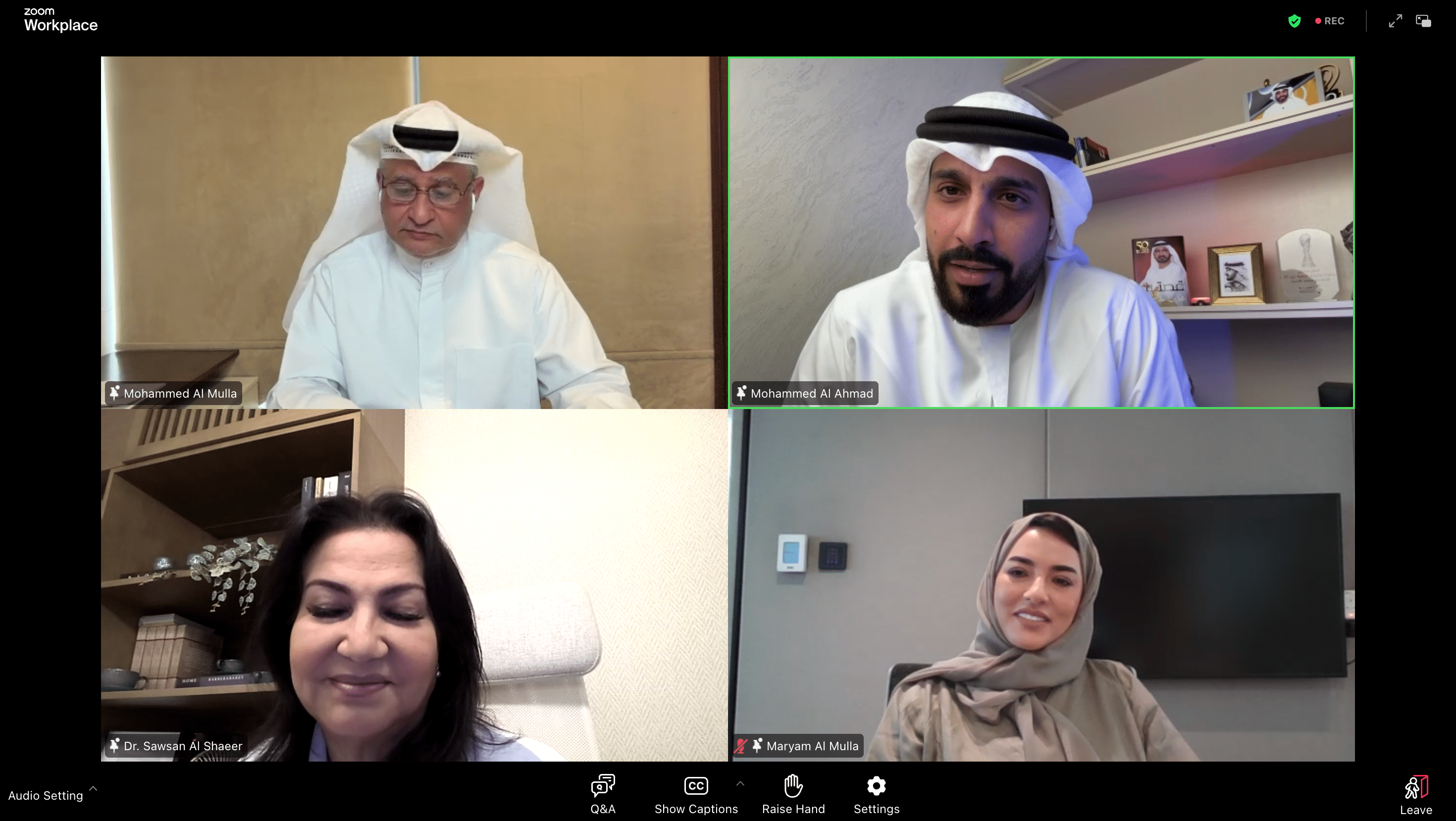
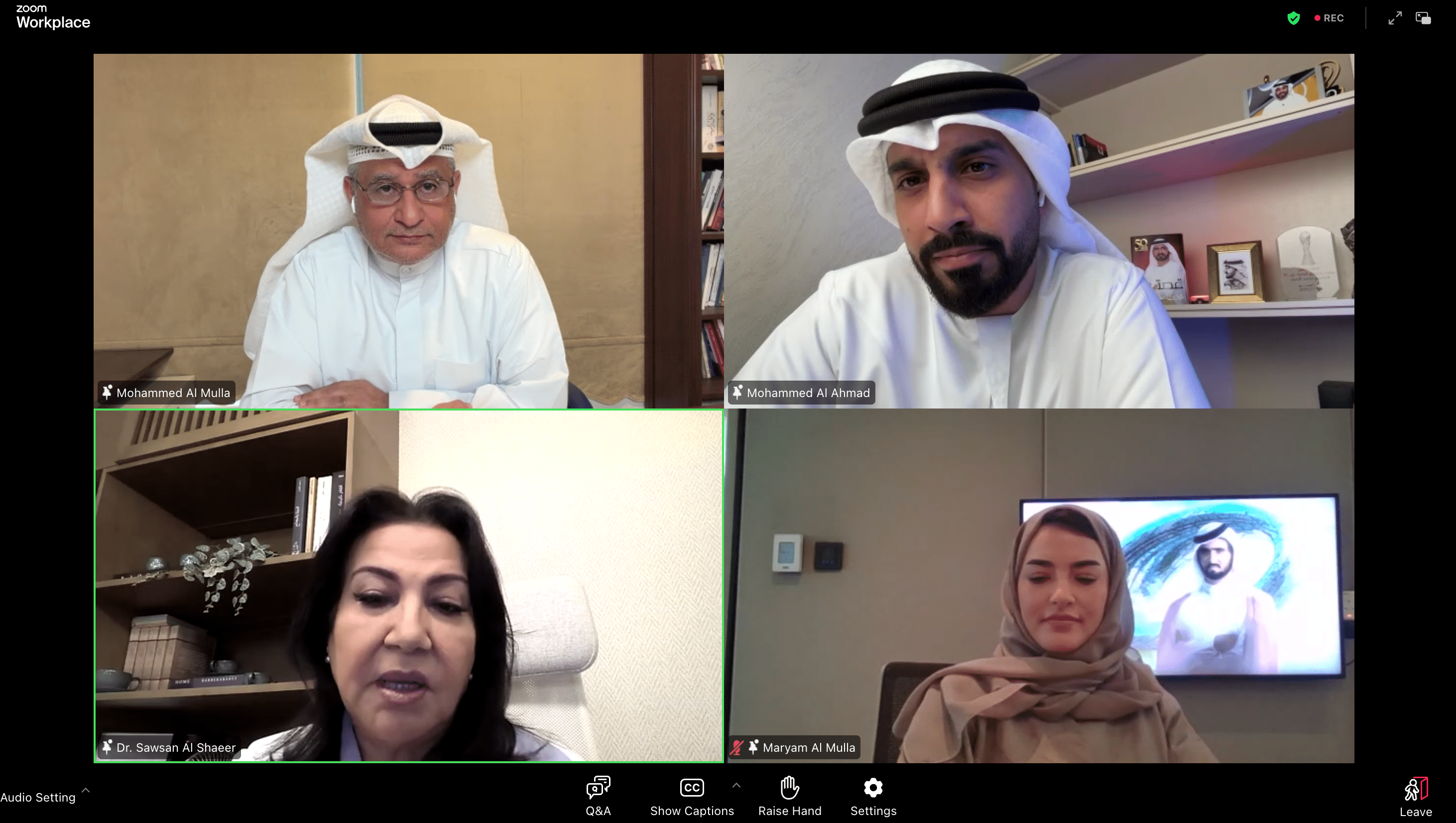
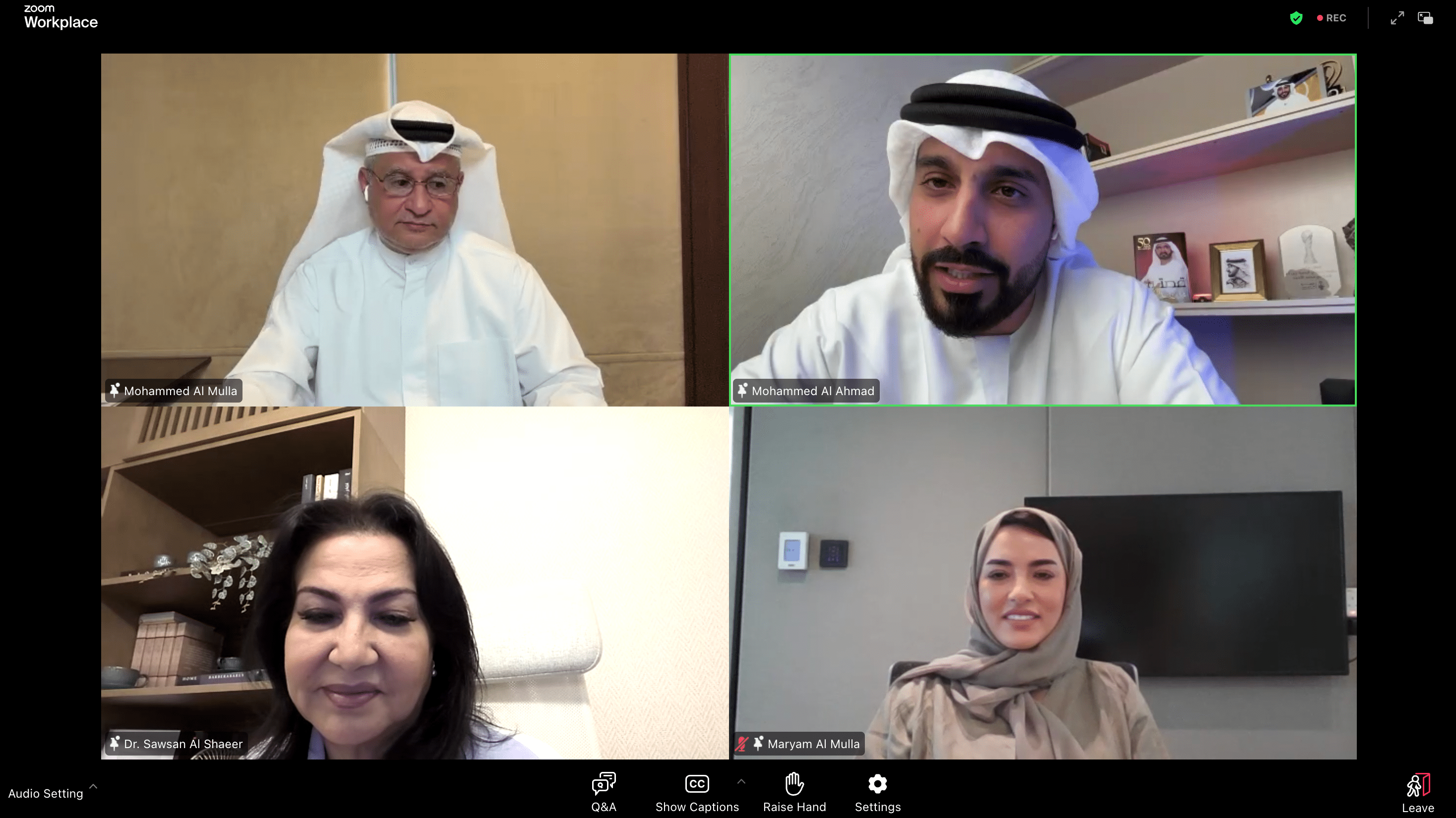
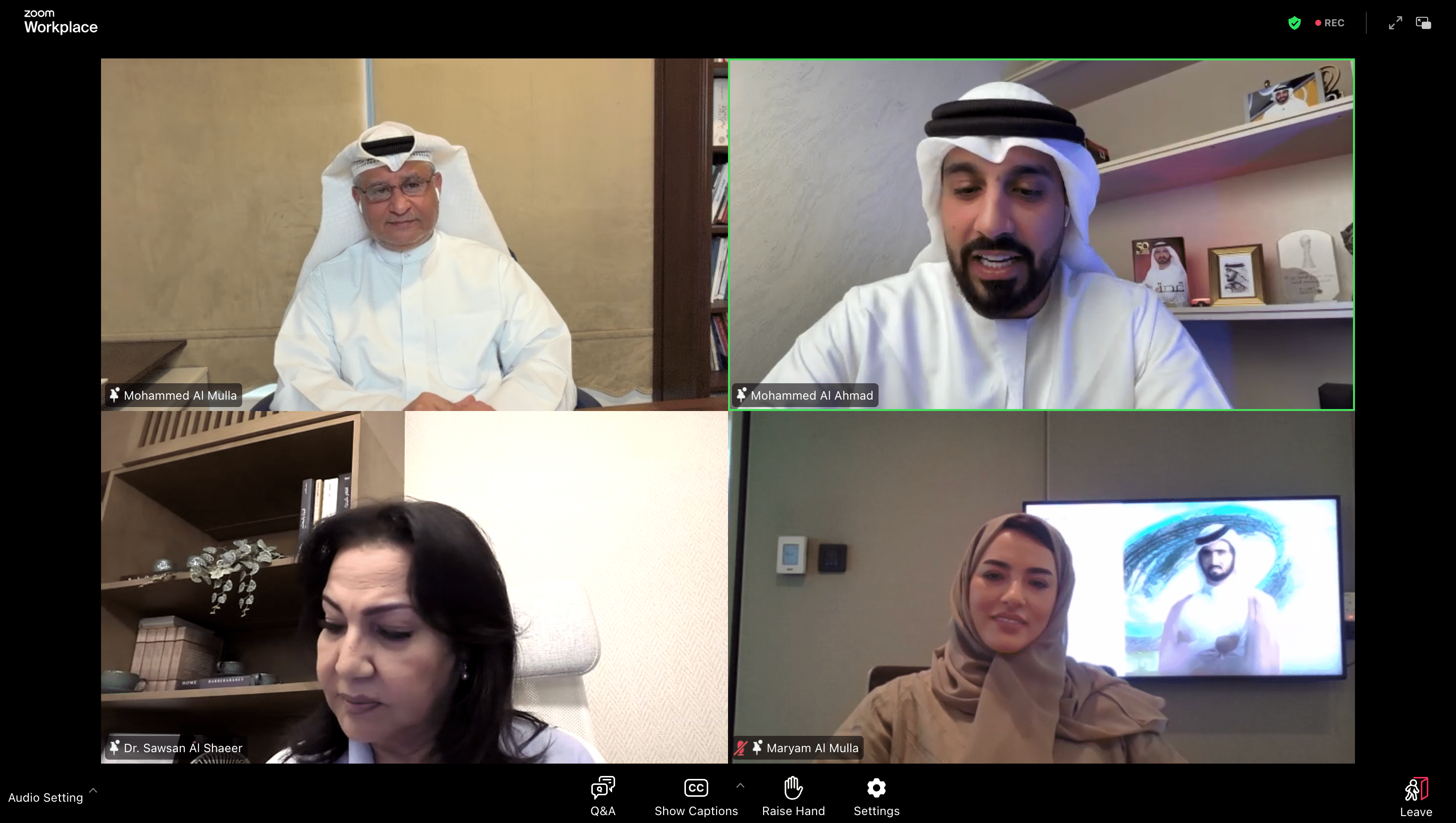
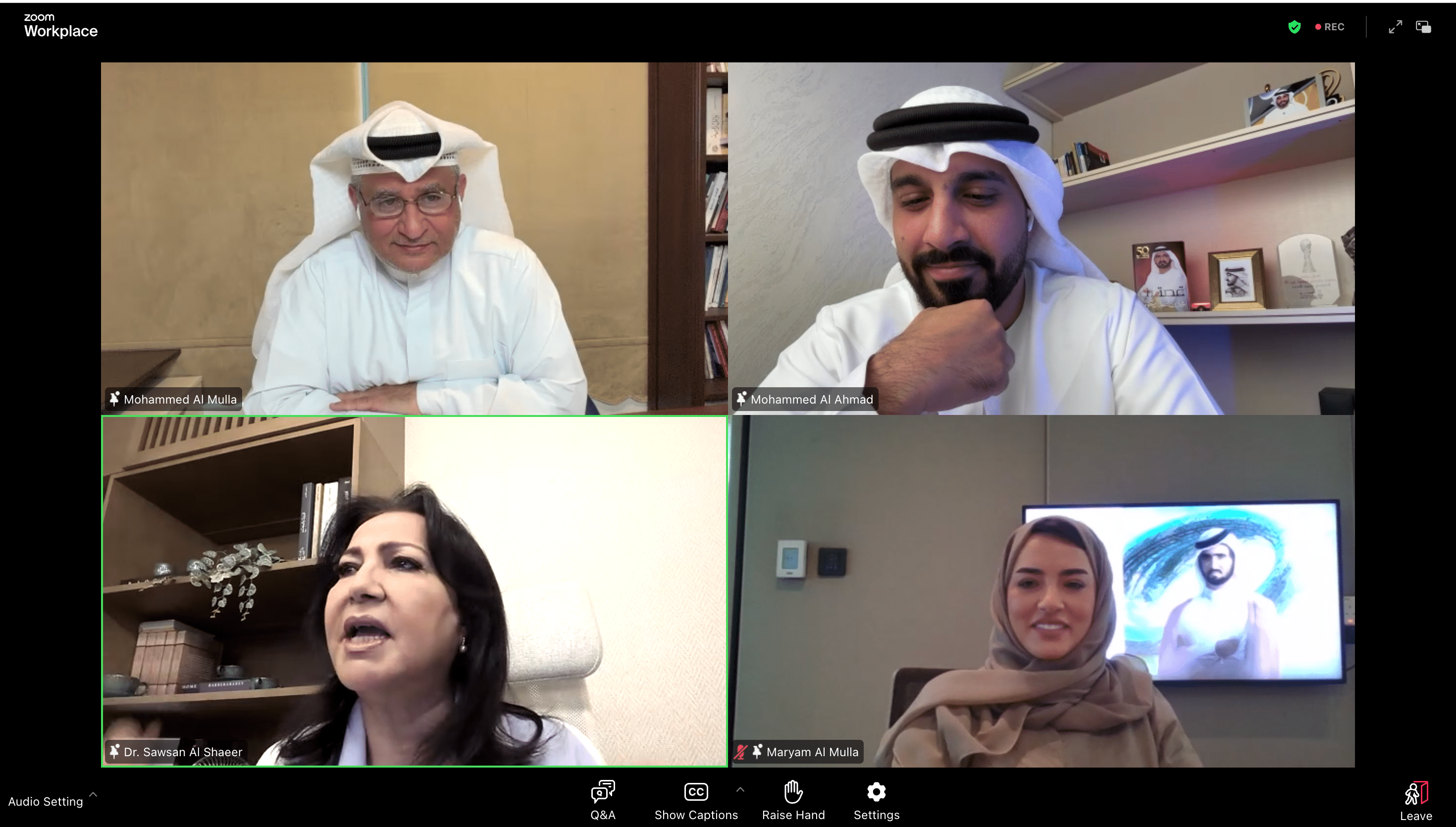
As part of the dialogue series organised by the Dubai Press Club (DPC), the club hosted an online session titled ‘The Gulf in the aftermath of the Iran ceasefire’, featuring Kuwaiti writer and media personality Mohammed Al-Mulla, and Bahraini writer and personality Sawsan Al-Sha'er, and moderated by Mohammed Al-Ahmed from Abu Dhabi Media Network.
The session examined ongoing developments as the world follows efforts to ease the current regional crisis. Speakers highlighted the media’s critical role in addressing the challenges facing Arab Gulf states, particularly through raising awareness and reinforcing values of loyalty and belonging, especially among younger generations.
They also underscored that Gulf countries continue to invest in youth and human capital, describing this as a strategic commitment to the future and a key pillar in strengthening the resilience of Arab Gulf states against attempts to undermine their security and stability.
Commenting on the proposed Gulf joint defence shield, Mohammed Al-Mulla said that building a shared defence force has become a key priority, particularly at this critical juncture in the region’s history, as a safeguard for the future security of Gulf states.
Sawsan Al-Shaer said that the recent developments in the Gulf serve as a reminder of the need for a joint defence framework, despite the individual success of Gulf states in countering Iranian attacks.
She added that the policy of containment towards Iran has proven ineffective, highlighting to the exposure of proxy sleeper cells in several Gulf countries, including cases involving individuals who had previously been detained. She stressed the need for unified Gulf action and strict enforcement of the rule of law as the only effective framework for addressing such threats.
Regarding the role of media in addressing current challenges, Mohammed Al-Mulla said it forms part of what he described as geopolitical defence. He emphasised its importance in confronting extremist narratives and coordinated online misinformation that seek to manipulate language and ideas to advance specific agendas.
He also highlighted the importance of investing in Gulf youth and strengthening their awareness of facts as a key defence against such influences.
The speakers further stressed the need to develop a strong pan-Gulf media sector and to establish a media code of ethics that supports efforts to counter misinformation and promote clearer, more responsible public discourse.
More on these topics
Most Recent News

Dubai Press Club hosts Dr. Ali Al Nuaimi for a discussion on the future of regional relations amid recent developments

Dubai Press Club launches series of dialogue sessions to discuss regional developments



 For an optimal experience please