

Ahmed bin Mohammed opens 11th edition of the Dubai International Project Management Forum
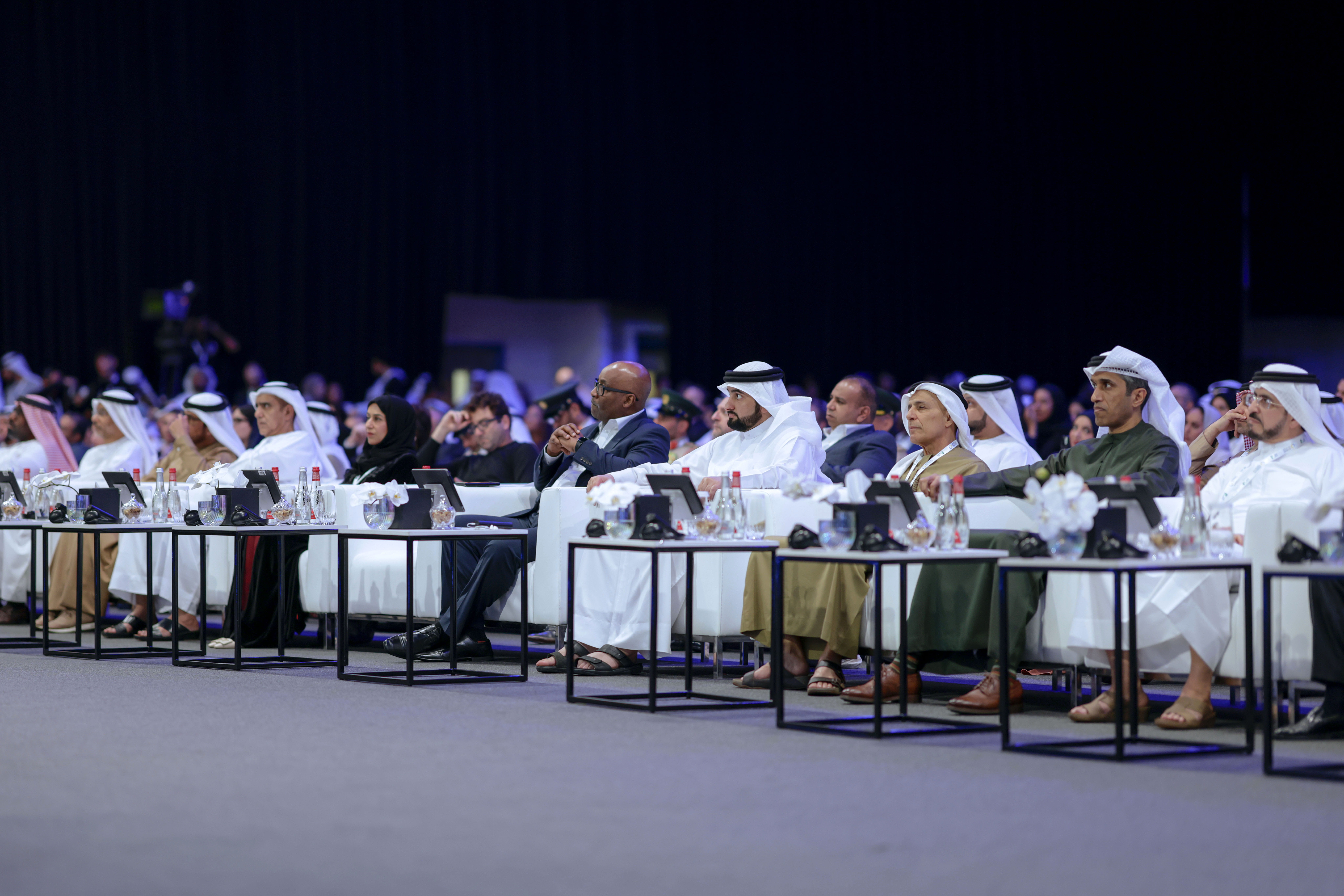
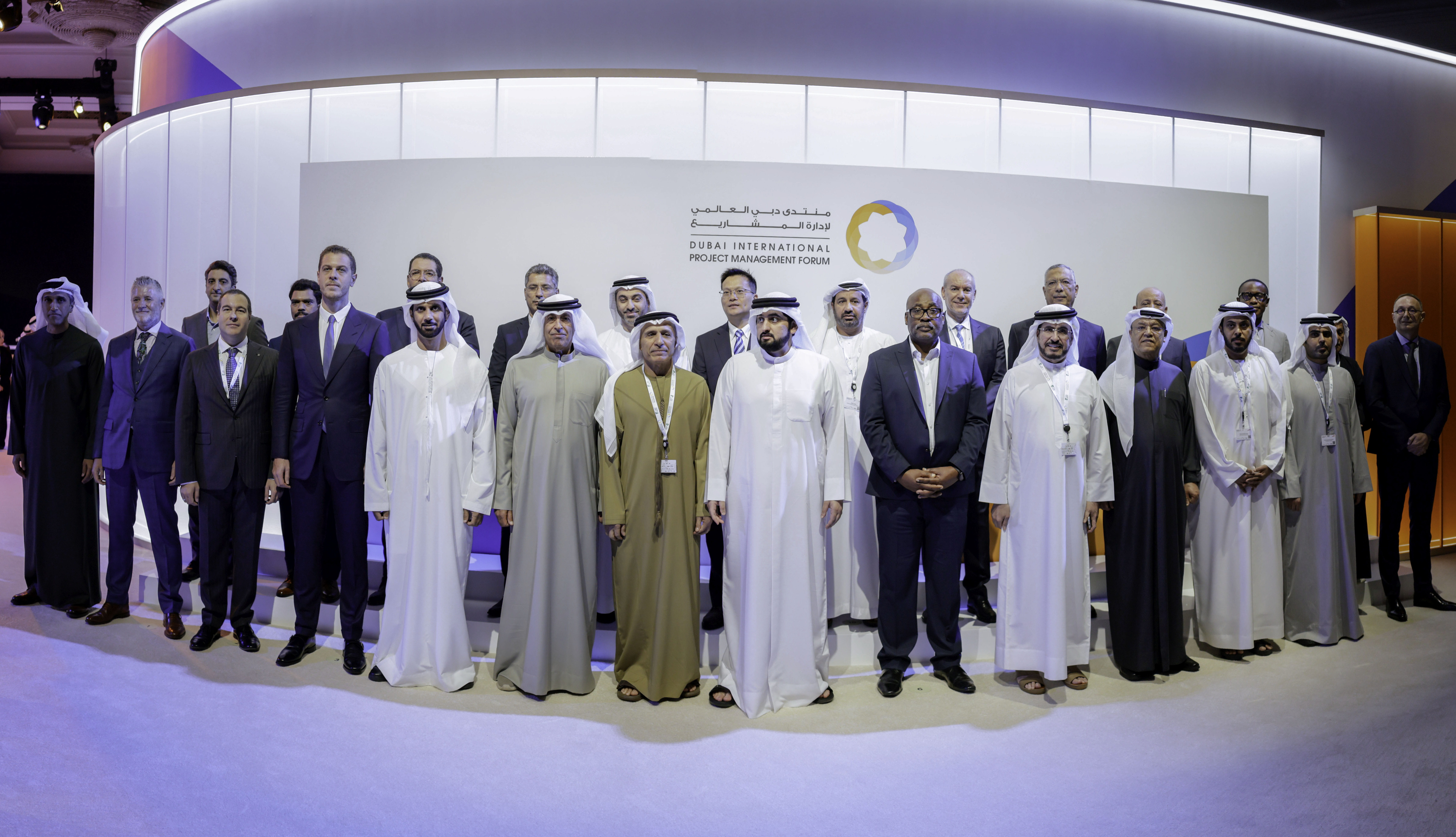
Under the patronage of His Highness Sheikh Hamdan bin Mohammed bin Rashid Al Maktoum, Crown Prince of Dubai, Deputy Prime Minister and Minister of Defence of the UAE and Chairman of The Executive Council of Dubai, His Highness Sheikh Ahmed bin Mohammed bin Rashid Al Maktoum, Second Deputy Ruler of Dubai, inaugurated the 11th Dubai International Project Management Forum (DIPMF), held under the theme ‘Bridging Communities,’ in the presence of dignitaries, heads of public entities, and senior executives from leading global companies.
His Highness Sheikh Ahmed was received upon his arrival at the venue at Madinat Jumeirah by His Excellency Mattar Al Tayer, Director General, Chairman of the Board of Executive Directors of the Roads and Transport Authority (RTA) in Dubai; and His Excellency Abdulla Mohammed Al Basti, Secretary General of The Executive Council of Dubai.
During the ceremony, a mural was unveiled before His Highness, tracing the evolution of public transport infrastructure in the emirate over the course of a century. Entitled ‘A Century of Mobility in Dubai,’ the mural highlights Dubai’s legacy in developing road and transport infrastructure over time. The mural recounts the development of public mobility services, starting in the era of the late Sheikh Saeed bin Maktoum Al Maktoum, who adopted a policy of openness and laid the foundations for the emirate’s sustained development, and through the era of the late Sheikh Rashid bin Saeed Al Maktoum, the architect of modern Dubai.
During Sheikh Rashid’s era, Dubai witnessed the introduction of public transport services and the construction of major roads and bridges, most notably the expansion of the road network and the opening of Al Maktoum Bridge in 1963, the first crossing over Dubai Creek, which was built by international companies. The period also saw the opening of Al Shindagha Tunnel, the first tunnel linking Deira and Bur Dubai; the development of the Clock Tower, one of Dubai’s most prominent landmarks; the establishment of Port Rashid; and the construction of Rashid Tower (World Trade Centre).
Dubai’s comprehensive development momentum continued with a transformative leap under the leadership of His Highness Sheikh Mohammed bin Rashid Al Maktoum, Vice President and Prime Minister of the UAE and Ruler of Dubai, who elevated Dubai into a globally acclaimed city setting international benchmarks and charting exemplary competitiveness indicators across diverse sectors.
Holistic vision, smart solutions
During this phase, the roads and transport sector witnessed major shifts through the adoption of a holistic vision that integrated road networks with public transport systems. Strategic projects such as the Dubai Metro, Dubai Tram, and the public bus network were delivered alongside the deployment of smart solutions and advanced traffic management systems in line with global best practices, significantly enhancing mobility efficiency and quality of life.
The mural also depicted the mobility shift inspired by His Highness Sheikh Hamdan’s future-focused vision, which places immense emphasis on anticipating next-generation mobility solutions, notably autonomous vehicles, air taxis, and smart and sustainable mobility options, alongside the deployment of advanced technologies and artificial intelligence in managing the transport ecosystem.
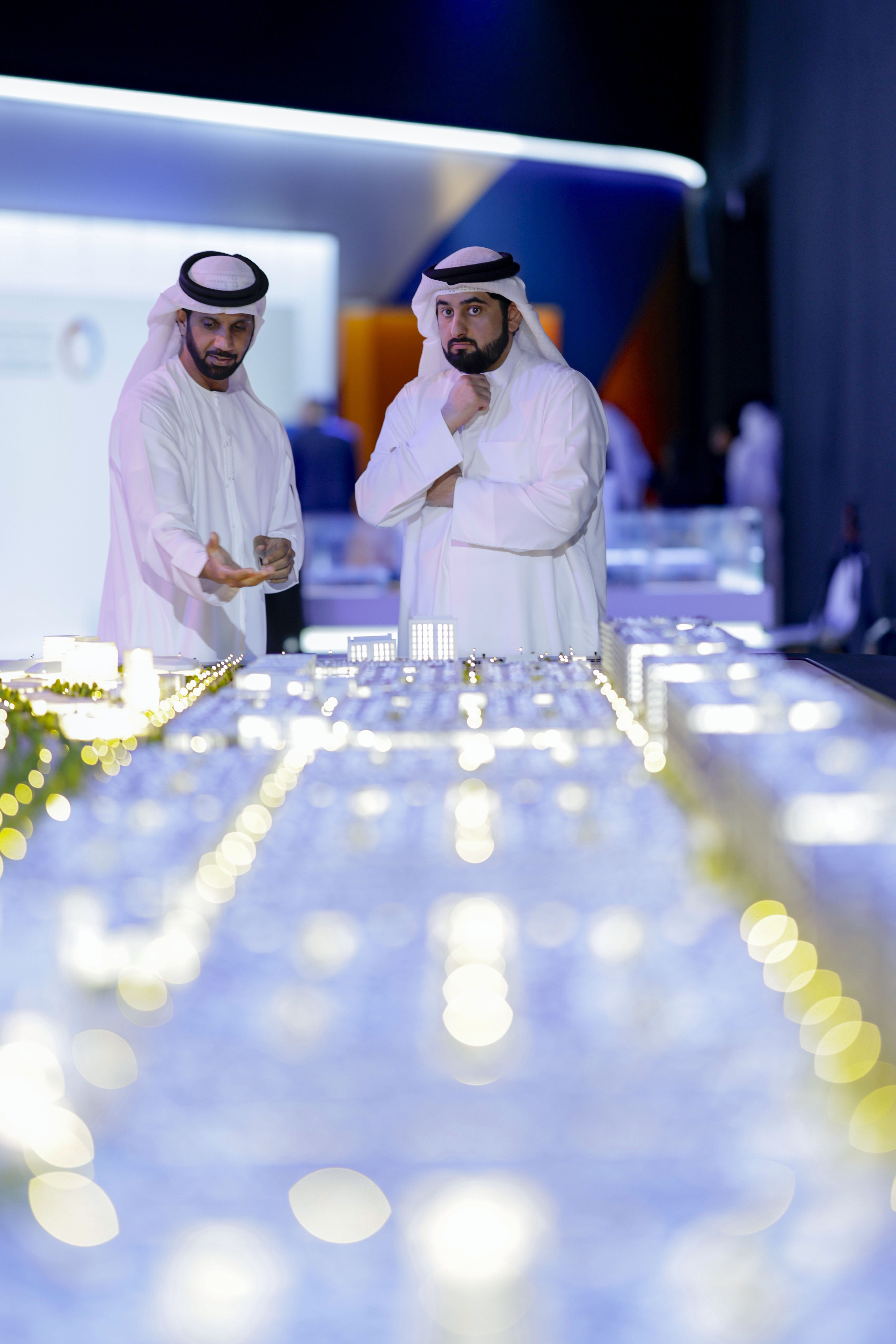
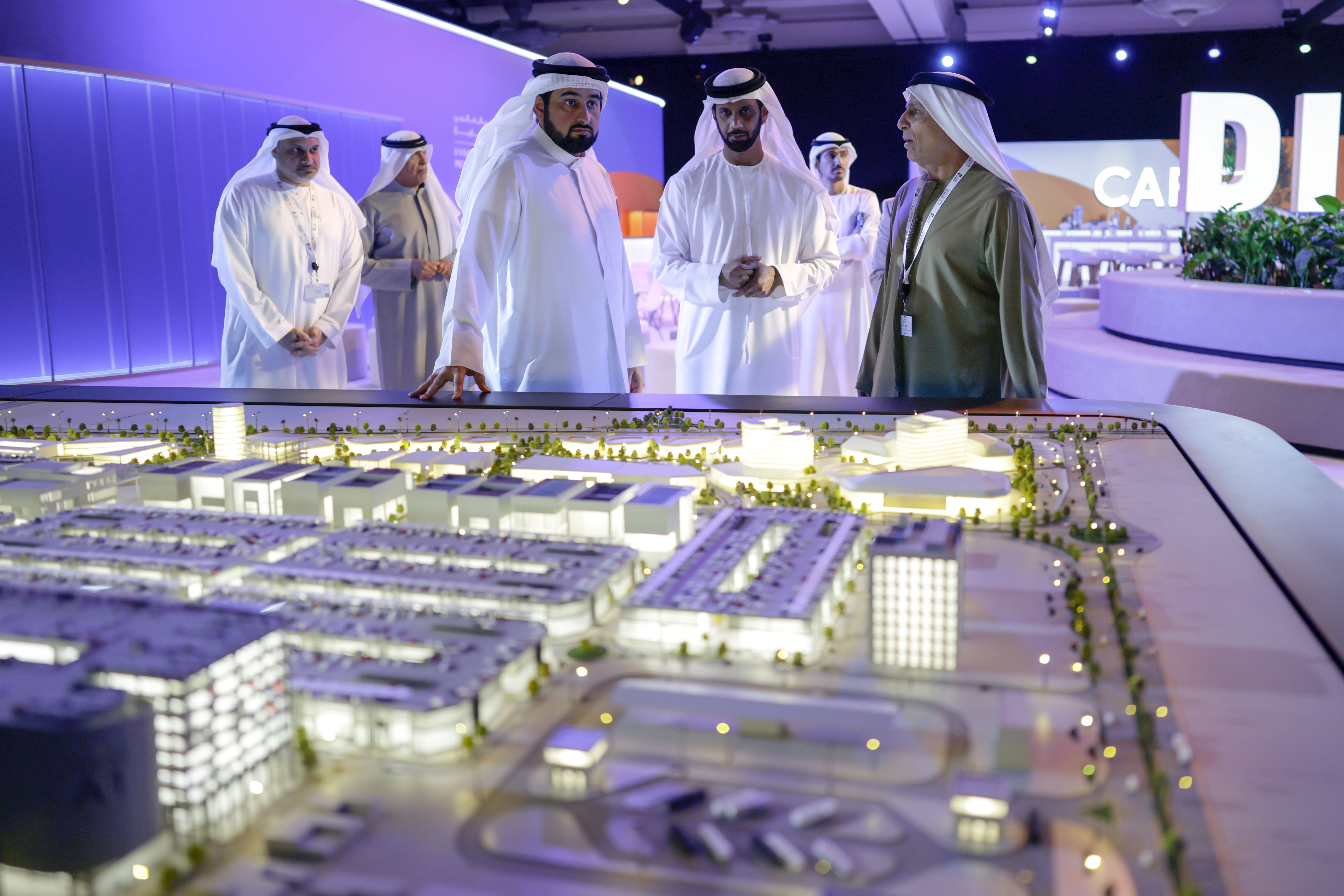
His Highness Sheikh Ahmed also reviewed a model of the Dubai Auto Market development project overseen by DP World, which is set to be the largest and most advanced of its kind globally. Spanning an area of 22 million square feet, the project will feature more than 1,500 showrooms, in addition to dedicated zones for workshop complexes, warehouses, and multi-storey parking facilities. It will also include a conference centre, a hotel, an auction house, and dedicated spaces for restaurants, cafés, and retail outlets.
The market has been designed to accommodate up to 800,000 vehicles annually and will incorporate a wide range of essential facilities, including customs inspection, staff accommodation, and recreational amenities, among others. This integrated approach ensures a comprehensive ecosystem in terms of infrastructure, facilities, and services, enabling the market to deliver best-in-class services and solutions tailored to the needs of investors and traders.
Iconic station design showcased
His Highness Sheikh Ahmed reviewed the model of the Emaar Properties iconic station, the world’s highest metro station, standing 74 metres tall and spanning 38 metres in width. Inspired by the concept of a Gateway, the station features a distinctive urban design, which will mark an exceptional new addition to Dubai’s architectural landscape. It reflects the emirate’s vision as a gateway to the future, delivers a strong visual presence that integrates seamlessly with the surrounding urban fabric, and advances the concept of placemaking.
His Highness received a briefing on the station, which covers approximately 11,000 square metres, has a designed capacity of around 160,000 passengers per day, and is projected to serve more than 70,000 users daily by 2040.
Andre Agassi shares insights
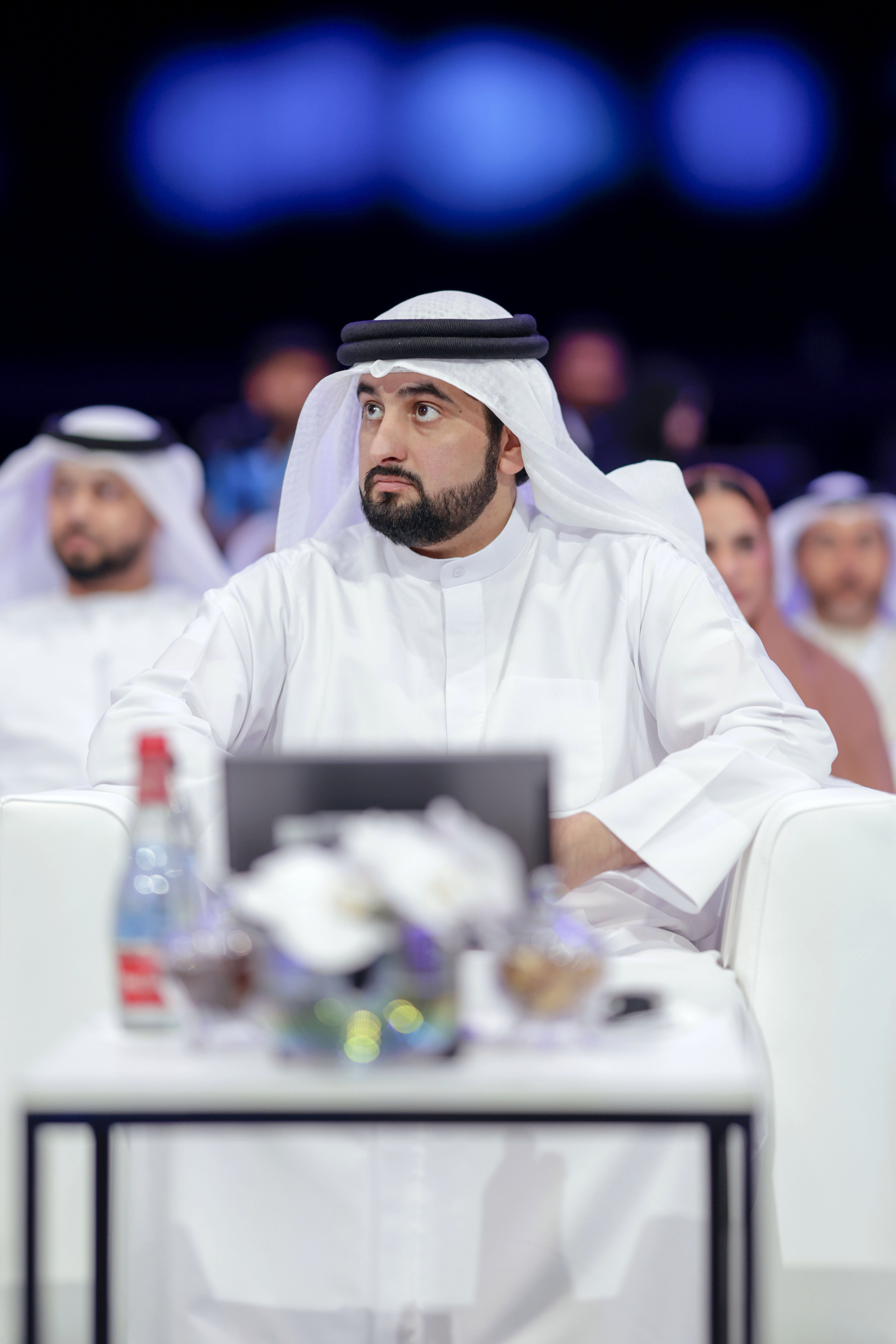
His Highness Sheikh Ahmed attended the opening session of the Dubai International Project Management Forum, during which world tennis legend and noted humanitarian Andre Agassi reflected on his journey from the tennis courts to philanthropy, explaining that sport taught him discipline, commitment, and how to pursue long-term goals through process and accountability – the same principles that underpin successful project management.
Agassi emphasised that education is the cornerstone of any sustainable change in communities, noting that his early departure from formal education was the primary motivation for his efforts to support education initiatives worldwide through the Andre Agassi Foundation for Education. “Finding my purpose and passion is what drives me. I focus on the process and the details, I build the best teams, and I set clear goals with measurable outcomes for every initiative – just as I would plan a long-term match with defined steps and accountability. I also surround myself with experts in education and community development, relying on strong teams and data-driven decisions rather than passion alone,” he said.
On leadership in both sport and philanthropy, Agassi explained that teamwork is built on respect, trust, communication and clear roles, and on putting people in the best position to succeed. He added that he leads by example and by purpose, ensuring that everyone understands the ‘why’ behind the work, not just the tasks, and that he strives to create a culture of trust and ownership where people feel responsible for the mission and empowered to contribute their ideas.
Prime motivation
Agassi also spoke about his focus on education, recalling how he established his charitable foundation at the age of 24 after leaving formal education in the ninth grade. He explained that his lack of formal education became the very reason he devoted his life to helping others access what he had so acutely missed, adding that he faced significant personal challenges at the outset of the initiative, which led him to take out a $40 million loan to launch the foundation.
This step was driven by a belief that success must mean more than what it brings to one’s own life and that it must extend to every child one could take responsibility for and had the ability to help, Agassi added.
Looking to the future, Agassi said that combining sport and education offers a powerful way to bridge communities globally, which is why he shifted his efforts towards an impact fund in search of a more effective model than traditional philanthropy. He explained that this approach enabled the foundation to finance multiple education projects and build nearly 130 schools, while also generating returns for investors, rather than relying solely on donations. He added that integrating education into sports programmes to teach life skills, leadership and resilience, alongside leveraging technology and global partnerships, will expand access to quality education beyond traditional classrooms.
Concluding his remarks, Agassi called on project managers to channel their personal passions into designing initiatives with genuine community value, stressing that the best projects are guided by a clear vision and measured by their real impact on people’s lives.
Sponsors recognised
His Highness Sheikh Ahmed bin Mohammed, accompanied by His Excellency Mattar Al Tayer, honoured Andre Agassi as the forum’s keynote speaker. His Highness also recognised the forum’s organising partners: Dubai Electricity and Water Authority, DP World, Emaar Properties, and the Project Management Institute.
The ceremony also acknowledged the forum’s strategic sponsors Emirates National Oil Company (ENOC) and MAPA, as well as the platinum sponsors, namely Limak, Al Naboodah Group, Western Bainunah Group (WBG), and Planisware.
The gold sponsors, Wade Adams Contracting, United Motors and Heavy Equipment, China Civil Engineering Construction Corporation (CCECC), CRRC, Parkin, and Keolis-MHI, were recognised as well. The silver sponsors, Parsons and Dutco (DBB), were also honoured, alongside the supporting sponsors in Al Ghanim International, Road and Traffic Engineering (RTC), Al Zarouni International Equipment, and AECOM.
Key themes and sub-themes
The 11th Dubai International Project Management Forum covers 5 main themes and 16 sub-themes.
The main themes include the Sustainable City theme, which covers Sustainable Development and Communities of the Future.
The Digital Transformation theme covers Leadership and Strategy, Agile Management, Digital Twin and Metaverse, and Blockchain Technology.
The Jobs of the Future theme encompasses Efficiency and Optimisation, Remote Project Management, Circular Economy and Project Economy, and the Role of Specialised Education.
The Future Trends and Technology theme includes Artificial Intelligence, Future Smart Mobility, and Data Management.
The Customer Centricity theme covers Customer Engagement and Communication, Empowered Project Teams, and Agile and Hybrid Project Management.
More on these topics
Most Recent News

Dubai economic measures boost hospitality and business growth

Business Group leaders: Dubai’s economic model is redefining competitiveness in the face of global challenges



 For an optimal experience please